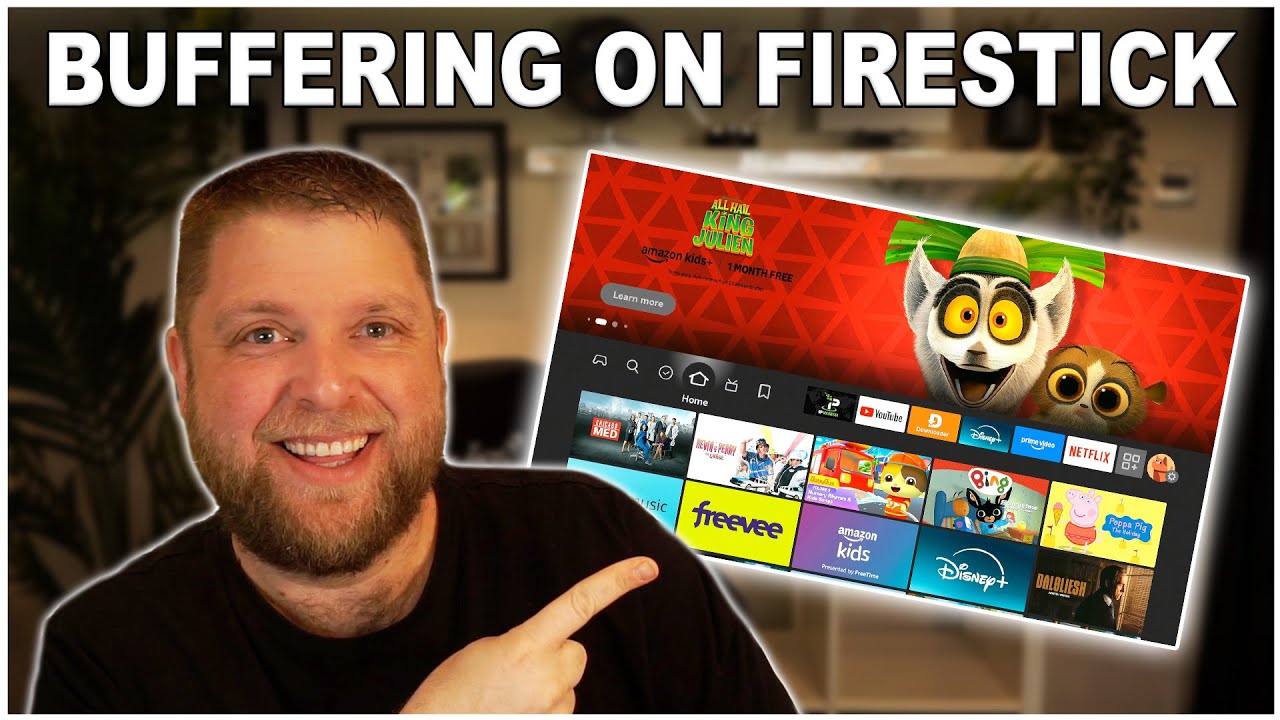
Is your Amazon Firestick constantly buffering, lagging, or simply refusing to keep up with your streaming demands? You're not alone. The frustrating experience of a slow Firestick can turn a relaxing movie night into an exercise in patience. Many users find themselves asking, why is my Firestick so slow? The good news is that most slowdowns aren't permanent and can be resolved with a few practical optimizations.
From an overburdened Wi-Fi connection to a device struggling with too many apps or insufficient storage, several common culprits contribute to a sluggish streaming experience. This comprehensive guide will walk you through diagnosing and fixing these issues, transforming your buffering Firestick into a smooth, responsive entertainment hub.
Understanding Why Your Firestick is Slow: The Core Reasons
When your Firestick isn't performing as it should, the underlying reasons often fall into a few key categories. Pinpointing the exact cause is the first step to finding the right solution. Understanding these factors will help you tackle the prevalent question: why is my Firestick so slow?
1. Network and Wi-Fi Instability
A weak or inconsistent internet connection is arguably the most common reason for a buffering Firestick. Even if your overall internet speed seems fine on other devices, factors like Wi-Fi signal strength, router distance, and network interference can severely impact your Firestick's performance. For HD streaming, a minimum of 5 Mbps is recommended, while 4K content demands 25 Mbps or more. Anything less, or an unstable signal, will lead to frustrating lags and buffering.
2. Software and System Overload
Like any computing device, your Firestick relies on its operating system and available resources to run smoothly. Outdated software can lead to performance inefficiencies, while too many background processes or resource-intensive settings can hog the device's limited RAM and processing power. Features like video autoplay or excessive privacy tracking can silently consume valuable resources.
3. Application and Storage Management
Every app you install, and every piece of data it stores (like cache), takes up space and uses system resources. A Firestick nearing its storage capacity will inevitably slow down, struggle to load apps, and even crash. Furthermore, apps running in the background, even if you’re not actively using them, can drain processing power and memory, making your Firestick feel sluggish.
4. Hardware and Environmental Factors
While less common, physical issues can also contribute to poor performance. Overheating, often caused by poor ventilation or being placed in enclosed spaces, can force the Firestick to throttle its performance to prevent damage. Faulty HDMI connections or even an aging device struggling with modern app demands can also play a role.
Optimizing Your Network: The Foundation for Speed
A robust and reliable Wi-Fi connection is the bedrock of a fluid streaming experience. Addressing network issues should always be your first step when asking why is my Firestick so slow?
1. Conduct a Speed Test
Before diving into other fixes, determine if your internet speed is the bottleneck. Use a speed test app on your Firestick itself (if available) or on a device connected to the same Wi-Fi network. Remember: for smooth HD streaming, aim for at least 5 Mbps; for 4K, target 25 Mbps or higher. If your speeds are consistently below these thresholds, contact your Internet Service Provider (ISP) to troubleshoot or discuss upgrading your plan.
2. Enhance Wi-Fi Signal Strength
- Move Your Router Closer: Physical distance and obstructions (walls, furniture, large appliances) significantly degrade Wi-Fi signals. Reposition your router to be closer to your Firestick, ideally with a clear line of sight.
- Utilize a 5GHz Network: Most modern routers offer both 2.4GHz and 5GHz bands. The 5GHz band provides faster speeds and less interference, though its range is shorter. Connect your Firestick to the 5GHz network if it's within close proximity to your router.
- Change Wi-Fi Channels: Your router might be operating on a crowded Wi-Fi channel, leading to interference from neighbors' networks. Access your router settings (via a web browser) to change to a less congested channel. Tools like Wi-Fi analyzer apps can help identify optimal channels.
- Consider an Ethernet Adapter: For the most stable and fastest connection, a wired connection is unbeatable. Amazon sells official Ethernet adapters specifically for Firestick devices, providing a direct connection to your router.
- Wi-Fi Extenders/Mesh Systems: If your Firestick is in a Wi-Fi dead zone, a Wi-Fi extender or a mesh network system can significantly boost signal strength in that area.
For more detailed solutions to common connectivity problems, you might find valuable insights in our article, Why Is Your Firestick So Slow? Top Causes & Instant Fixes.
Streamlining Your Firestick: Software & App Management
Once your network is optimized, turn your attention to the Firestick itself. Many performance issues stem from an overburdened device, a key reason why your Firestick might be slow.
1. Keep Your Software Updated
Amazon regularly releases software updates for Firestick devices that include performance improvements, bug fixes, and security enhancements. Running outdated software is a common cause of slowdowns. To check for updates:
- Go to Settings > My Fire TV > About > Check for Updates.
- Install any available updates and reboot your device.
2. Manage Your Applications Effectively
Too many apps, especially those you rarely use, can hog storage and run in the background, making your Firestick sluggish.
- Uninstall Unused Apps:
- Go to Settings > Applications > Manage Installed Applications.
- Scroll through the list and select apps you no longer need.
- Choose Uninstall.
- Force Stop Background Apps: Even if you've exited an app, it might still be running in the background.
- In the Manage Installed Applications menu, select an app that might be resource-intensive (e.g., a streaming service you're not currently using).
- Choose Force Stop. This doesn't uninstall the app but stops its background processes.
- Clear App Cache and Data: Over time, apps accumulate cache data, which can slow them down or cause erratic behavior. Clearing it frees up space and often resolves performance issues without deleting user data.
- From Manage Installed Applications, select the problematic app.
- Choose Clear Cache. If issues persist, you can try Clear Data (this will log you out of the app and reset its settings).
3. Optimize Storage Space
A Firestick with critically low storage will grind to a halt. Regularly check your available space:
- Go to Settings > My Fire TV > About > Storage.
- If your storage is nearly full, prioritize uninstalling large, unnecessary apps.
4. Disable Resource-Hogging Features
Some built-in features, while seemingly minor, can consume valuable resources.
- Turn Off Video Autoplay:
- Go to Settings > Preferences > Featured Content.
- Disable Allow Video Autoplay and Allow Audio Autoplay. This prevents trailers from playing automatically on the home screen.
- Adjust Privacy Settings: While not a direct performance booster, limiting data collection can sometimes free up minor processing power.
- Go to Settings > Preferences > Privacy Settings.
- Disable Device Usage Data and Collect App Usage Data.
For an even deeper dive into optimizing every aspect of your device's performance, be sure to check out Fix Your Slow Firestick: The Ultimate Guide to Speed & Performance.
Advanced Tips & Hardware Considerations
If you've tackled network and software optimizations and are still pondering, "why is my Firestick so slow?", it might be time for some deeper troubleshooting or to consider hardware limitations.
1. Use an HDMI Extender
Many Firesticks come with a short HDMI extender cable. Using this serves a few purposes:
- Improves Wi-Fi Reception: It moves the Firestick slightly away from the TV, which can act as a signal blocker, giving it better exposure to your Wi-Fi signal.
- Prevents Overheating: It allows for better air circulation around the device, preventing it from getting too hot, which can lead to performance throttling.
2. Check Physical Connections and Power
Ensure your Firestick is properly plugged into the TV's HDMI port and that the power adapter is securely connected to a wall outlet (not a TV's USB port, which might not provide sufficient power). Try a different HDMI port on your TV if you suspect a faulty port.
3. Restart Your Firestick Regularly
A simple restart can often clear temporary glitches and free up system memory, providing an instant performance boost. You can do this by:
- Unplugging the Firestick from its power source for 30 seconds and then plugging it back in.
- Going to Settings > My Fire TV > Restart.
4. Perform a Factory Reset (Last Resort)
If all else fails, a factory reset will wipe all data, apps, and settings, returning your Firestick to its out-of-the-box state. This can resolve deep-seated software issues but requires you to set up your device and reinstall apps from scratch.
- Go to Settings > My Fire TV > Reset to Factory Defaults.
5. Consider Upgrading Your Device
If you own an older Firestick model (like a 1st or 2nd generation device), it might simply lack the processing power and RAM to handle modern streaming apps and high-resolution content efficiently. Newer Firestick models offer significantly improved performance, Wi-Fi capabilities, and support for the latest codecs. If your device is several years old and persistently slow, an upgrade might be the most effective long-term solution.
Conclusion
A slow and buffering Firestick is undoubtedly frustrating, but in most cases, it's a fixable problem. By systematically addressing potential issues related to your Wi-Fi network, managing your installed applications and storage, keeping your software updated, and considering environmental factors, you can significantly improve your device's speed and responsiveness. Don't let a sluggish Firestick ruin your entertainment. Take control, apply these optimizations, and get back to enjoying seamless, buffer-free streaming.